
In Madagascar, water is not just a natural resource; it is at the heart of social and economic tensions. While the island is rich in rivers, its population faces major difficulties in accessing them, whether in cities or in the countryside.
The anger of the cities: The case « Baba and Clémence »
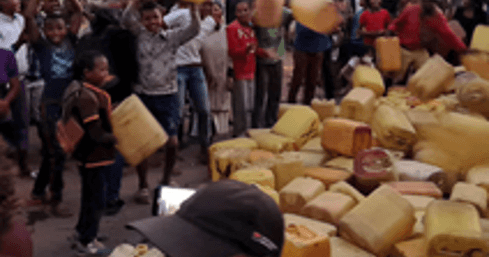
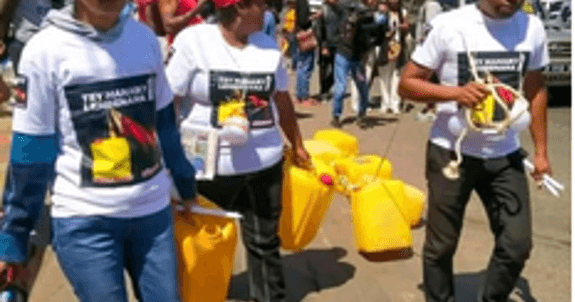
In the capital, Antananarivo, taps often remain dry for several weeks. This situation has created widespread discontent, particularly among young people of "Generation Z". On social media, names like "Baba and Clemence" have appeared, humorously and ironically symbolizing those responsible for or victims of this crisis. It's not just a joke: it's a cry for help. These young people are using the internet to denounce the mismanagement of JIRAMA. For them, reality is harsh: instead of studying, they have to get up at 3 a.m. to queue at the water fountains with their yellow jerrycans.
The emergency in the South: A fight for lifeurgence
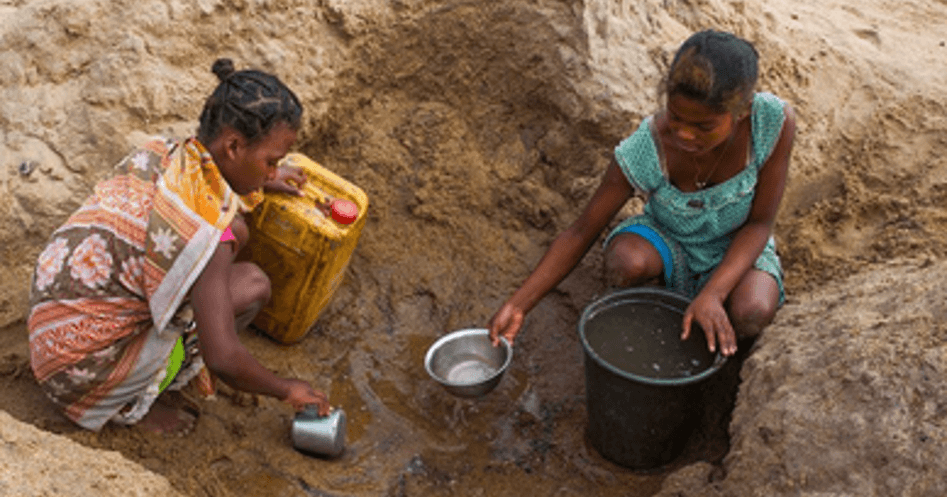
While in the city people complain about the lack of tap water, in the South (Androy, Anosy), they struggle to avoid dying of thirst. This region is suffering from terrible droughts due to climate change.
- Lack of drinking water: Springs are scarce and the available water is often salty or undrinkable.
- The solutions: The state is attempting to build very long pipes (pipelines) to bring water from the northern rivers to the arid south. But this work takes time, and in the meantime, the inhabitants depend on expensive and insufficient water tankers.
The Malagasy people's plate in danger
Rice is the staple food in Madagascar. Without water, there is no rice, and therefore no food. The water crisis directly impacts farmers in several ways:
- Drought: Without rain, the rice paddies dry up and the harvests are lost.
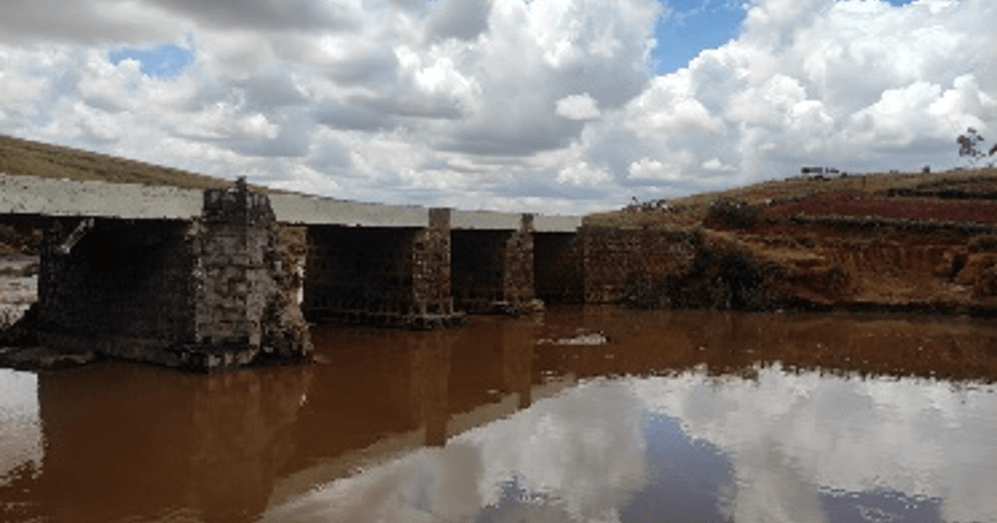
- Cyclones: Conversely, too much water at once destroys dams and fills the fields with sand.
- · Food insecurity: Because of these problems, Madagascar produces less rice and has to buy it from abroad, which drives up prices for all families.
The Action of the UDJ:
Concrete solutions for farmers. Faced with the powerlessness of large organizations, our congregation has chosen grassroots action, focusing on two essential pillars:
- Well rehabilitation and drillinga
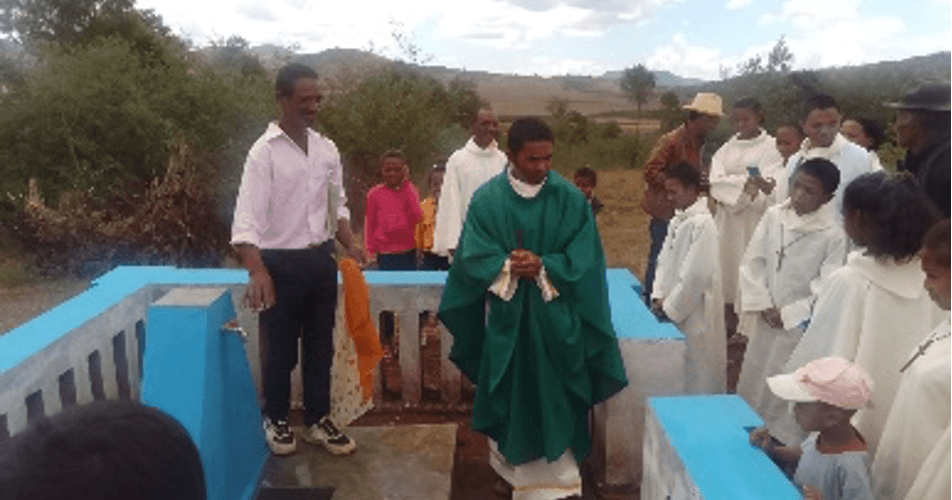
- In rural areas, the well is often the only source of water. By helping people in the countryside dig or secure wells, we help reduce diseases related to contaminated water, prevent women and children from having to travel long distances, and allow them to dedicate themselves to school or other activities.
Dam construction
The dam is an indispensable tool for rice cultivation, but it is also a source of effort. Our help in solving the problems:
- In Madagascar, artisanal dams are often destroyed by cyclones. By providing technical assistance, we ensure the sustainability of rice harvests.
During the rainy season and cyclones, water no longer becomes a resource, but a major obstacle to daily life, especially in neighborhoods like Besarety.
The ordeal of transportation in Besarety and the lower-class neighborhoodse
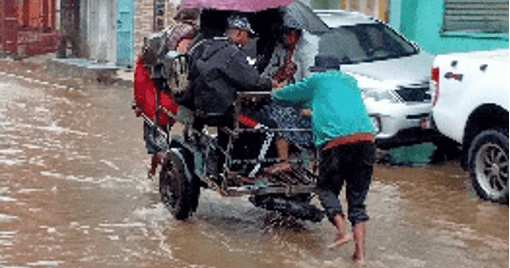
When heavy rains hit Antananarivo, areas like Besarety quickly become veritable urban floods. This paralyzes the entire traditional and informal transportation system:
- The carts come to a standstill: For traders and transporters of goods, the cart is essential. But with the rising water, the wheels sink into the mud or are slowed down by the water level, making work impossible and exhausting for the pullers.
- The "Taxi Men" (Porters): This is a typical and sad image of flooding. When the water rises, men offer to carry people on their backs or in small, makeshift boats to cross the flooded streets. It's a survival solution, but it's also a sign of the lack of infrastructure.
Economic paralysis: If the cart stops running, goods no longer reach the market. If people can no longer cross the road, shops close. Water, instead of providing sustenance, ends up paralyzing the incomes of the poorest.
Water quality: An invisible danger at the tap
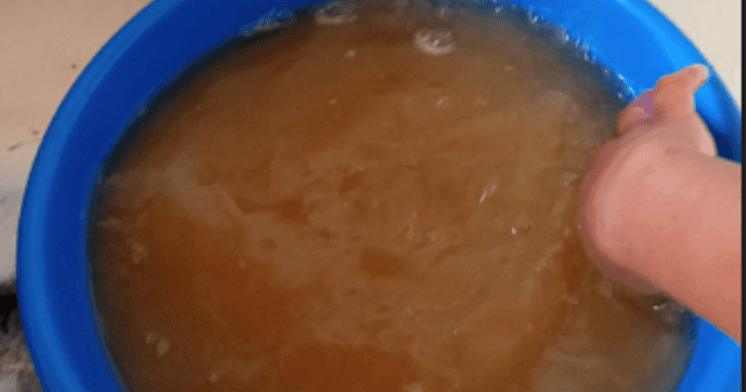
Even when JIRAMA manages to distribute water, it often arrives brown or reddish in color. This lack of hygiene causes serious public health problems. When you turn on the tap, the water isn't clear: it's red like soil. This is a real problem for everyday life. For example, when you do laundry, instead of cleaning the clothes, the water stains them red. It's disheartening to see our clothes ruined like this.
« Access to safe drinkable water is a basic and universal human right, since it is essential to human survival and, as such, is a condition for the exercise of other human rights. » (Laudato Si’, n°30)
International Commission on Integral Ecology Madagascar,
March 2026