Second period of IMF history
The Sons of Mary Immaculate in the Antilles
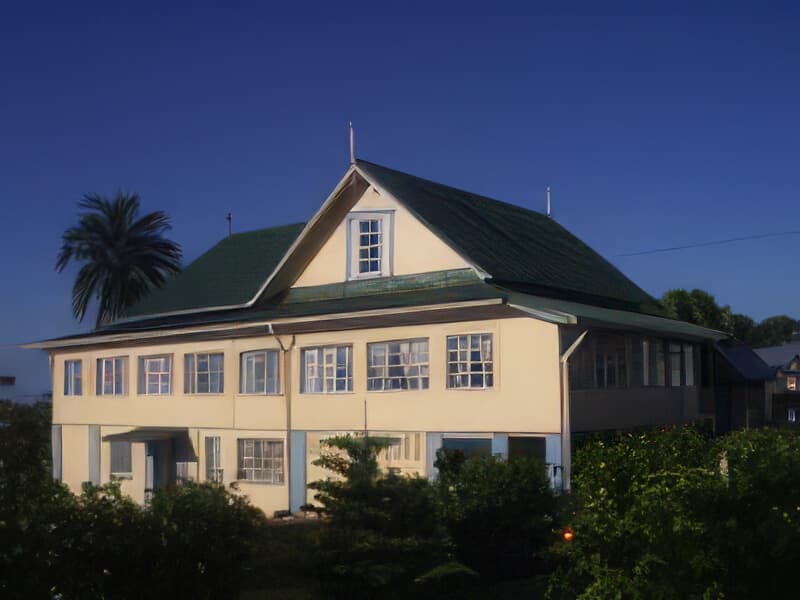
In the West Indies, first missions outside France.
1872: Dominica.
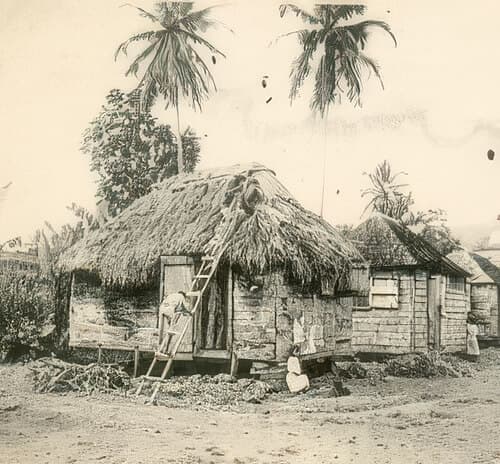
The Vicar General at the time, Father Ardois, had been a professor at the Richelieu Institute in Luçon and knew the “Fathers of Chavagnes”. He appealed to Rev. Father Remaud, Superior General, to propose to the IMF a missionary sector in the island of Dominica.
The proposal was accepted and volunteers were called upon. Among the many volunteers, three Fathers and a Brother were chosen.
“Their departure was preceded by a ceremony at the Minor Seminary of Chavagnes and around the tomb of Father Baudouin in the presence of the Ursuline Nuns of Chavagnes and a large number of students.”
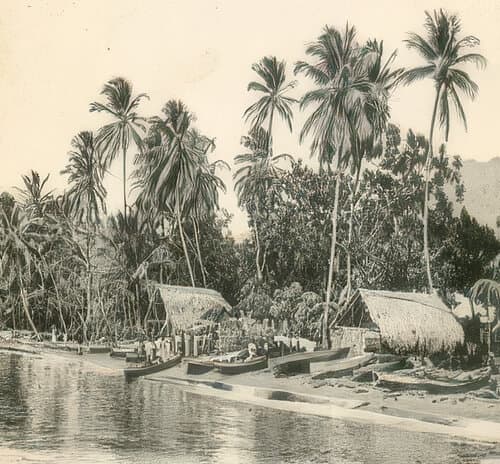
1878: Saint Lucia.
Father Rautureau, originally from Vendée, was vicar general in St Lucia and in charge of the parish of Castries. He was looking for a missionary congregation to serve the island's parishes, as the lack of stable priests was a frequent problem.
He appealed to the IMF which had a good reputation in the neighboring diocese of Roseau (in Dominica). The first two IMFs arrived in St Lucia on February 20. 1878: Father Rondard and Father Tapon. Three others joined them in 1880.
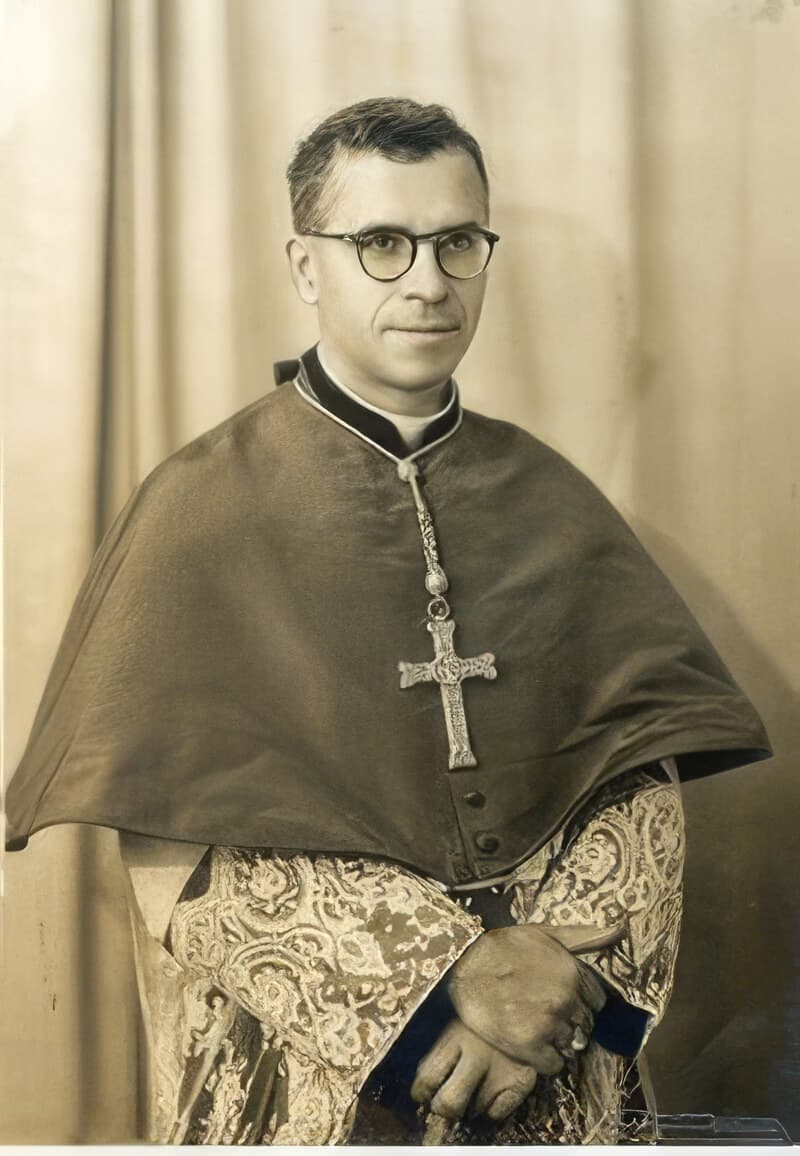
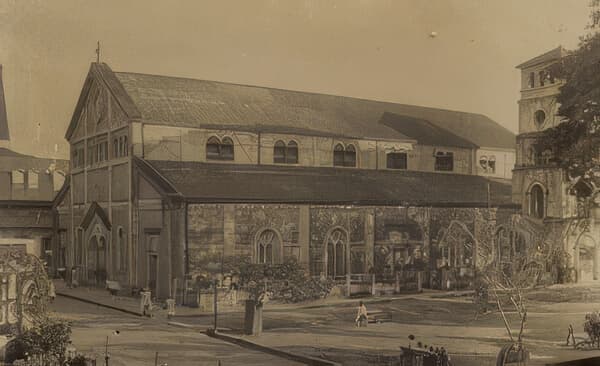
In 1884, Father Tapon was appointed vicar general of Castries to replace Father Rautureau, who was ill. He built the church of Castries which became the Cathedral of his nephew, Mgr Gachet, first bishop of St Lucia.
1997: Trinidad.
Theological training of young West Indians destined for the priesthood takes place at the university seminary of Trinidad.
In order to provide support to young FMI West Indians, the general council asks Mgr Pantin, Archbishop of Port of Spain in Trinidad to open a Community for pastoral service capable of welcoming young people in training.
Mgr Pantin granted the Fmi a parish in San Juan, a small town close to the capital and the university seminary.